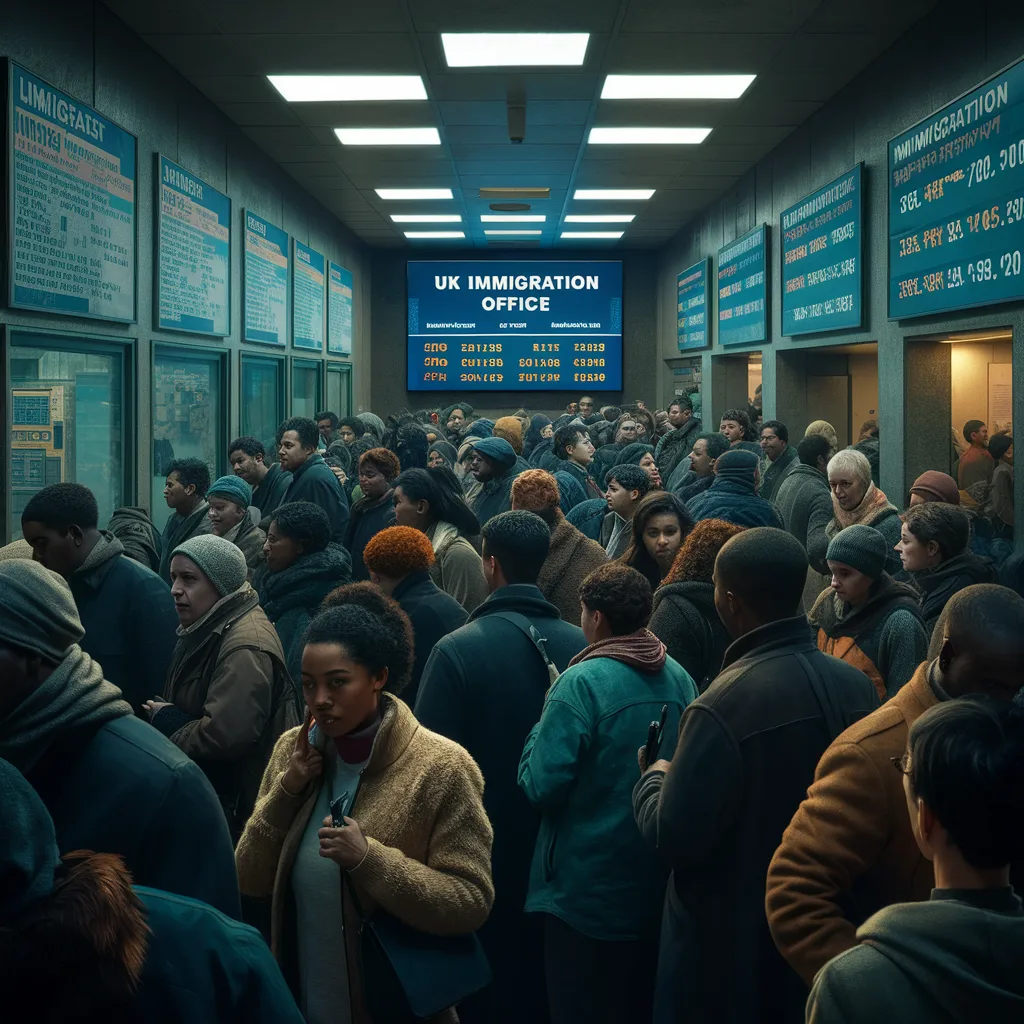
UK Immigration Changes 2026 – A Comprehensive Overview of New Rules and Policies
The year 2026 has brought significant changes to the United Kingdom’s immigration system, reflecting a broader effort to control migration, tighten eligibility requirements, and reshape long-term settlement policies. These reforms build on earlier changes introduced in 2024–2025 but go further in redefining who can enter, stay, and settle in the UK.
This article provides a detailed, 1000-word overview of the key UK immigration changes in 2026, including updates to visas, asylum policies, settlement rules, and their wider impact.
🌐 Background: Why Immigration Rules Are Changing
The UK government has been under increasing pressure to reduce net migration and strengthen border control. Political debates, economic concerns, and public opinion have all influenced the direction of policy.
Recent projections suggest migration will remain a major contributor to population growth, which has intensified calls for stricter regulation.
As a result, 2026 reforms aim to:
- Reduce overall migration numbers
- Prioritize skilled workers
- Tighten access to public services
- Make permanent settlement more difficult
📜 Key Immigration Rule Updates in 2026
1. Stricter Grounds for Refusal
One of the most notable changes introduced in March 2026 is stricter rules around criminality.
- Individuals sentenced to 12 months or more (even suspended sentences) may now be refused entry or have their visa cancelled.
This marks a tougher stance on character requirements and expands the scope of refusal beyond previous rules.
2. Changes to Skilled Worker Visas
The Skilled Worker route remains central to UK immigration, but new compliance measures have been introduced:
- Stricter salary thresholds and monitoring for employers
- Increased enforcement of sponsor responsibilities
- Adjustments to eligible occupations
These changes aim to ensure that migration is aligned with economic needs and to prevent misuse of the system.
3. Higher English Language Requirements
Applicants seeking long-term stay or settlement now face:
- Stronger English language requirements
- More rigorous testing standards
This reflects a policy focus on integration and employability within the UK workforce.
4. “Visa Brake” Restrictions
A new policy known as the “visa brake” has been introduced:
- Certain nationalities face restrictions on student and work visas
- Some applications are automatically refused depending on country of origin
For example, restrictions apply to applicants from specific countries in both student and skilled worker categories.
This policy allows the government to quickly limit migration from particular regions.
🧳 Changes to Settlement and Permanent Residency
5. Longer Path to Settlement
One of the most controversial proposals is extending the time required to gain Indefinite Leave to Remain (ILR):
- Standard route may increase from 5 years to 10 years
- Some lower-skilled workers may face even longer pathways
This change significantly alters long-term planning for migrants and their families.
6. Reduced Refugee Protection Period
The UK has also reduced the duration of temporary protection for refugees:
- From 5 years to around 30 months (2.5 years) in some cases
This means refugees may face more frequent reviews and uncertainty about their future status.
🛂 Asylum System Reforms
7. Tougher Rules for Asylum Seekers
The UK government has introduced stricter conditions for asylum support:
- Removal of state accommodation and financial support for those who break rules
- Faster processing and deportation procedures
- Incentives for voluntary return
These changes are part of a broader effort to reduce reliance on asylum hotels and discourage irregular migration.
8. “One In, One Out” Scheme with France
A major international policy introduced earlier and continuing into 2026 is the UK–France migrant exchange scheme:
- Migrants arriving via small boats may be returned to France
- In exchange, the UK accepts an equal number of legal applicants
However, the scheme has raised concerns about human rights and the risk of unsafe deportations.
🎓 Changes for International Students
International students remain an important part of UK immigration, but new restrictions apply:
- Increased scrutiny of sponsoring universities
- Possible limits on dependents
- Visa refusals under the “visa brake” system
These measures aim to prevent misuse of student visas as a pathway to long-term migration.
🌍 Business and Global Talent Visa Updates
The UK continues to attract high-skilled individuals, but with tighter controls:
- Expansion of the Global Talent visa to new sectors (e.g., design)
- Changes to Global Business Mobility routes
- Increased compliance requirements for sponsors
These changes balance openness to talent with stricter oversight.
⚖️ Social and Economic Impact
Positive Effects
- Better control over migration numbers
- Focus on skilled labor and economic contribution
- Reduced pressure on housing and public services
Negative Effects
- Concerns about labor shortages (especially in healthcare)
- Increased uncertainty for migrants and families
- Potential decline in international student numbers
Some reports suggest that stricter rules may lead to workers leaving the UK, particularly in sectors like healthcare.
🧠 Political and Public Debate
Immigration policy remains one of the most debated issues in the UK.
Key points of contention include:
- Balancing economic needs with border control
- Human rights concerns in asylum policies
- Impact on public services and infrastructure
Different political groups advocate for either stricter controls or more open migration systems, making future changes likely.
🔮 What to Expect Next
Further reforms are expected later in 2026, including:
- A comprehensive overhaul of settlement rules
- Additional restrictions on family migration
- Continued tightening of visa eligibility
The UK immigration system is clearly moving toward a more selective and controlled model, with emphasis on skills, compliance, and long-term contribution.
🧾 Conclusion
The UK immigration changes in 2026 represent one of the most significant shifts in recent years. From stricter visa rules and longer settlement pathways to tougher asylum policies, the system is becoming more controlled and selective.