How to Wash a Car with a Kärcher Pressure Washer – A Complete Guide
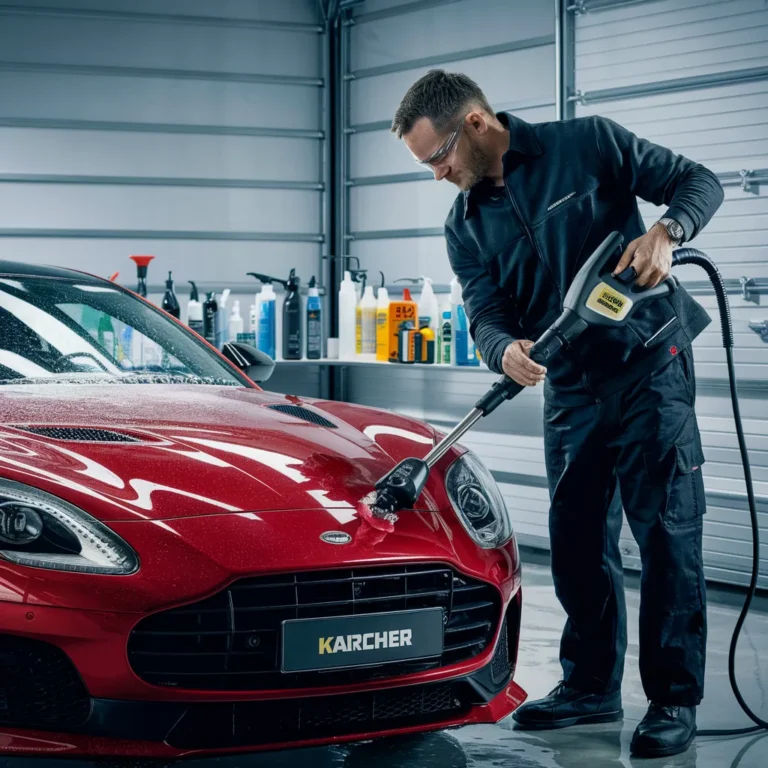
Washing a car properly is an important part of vehicle maintenance. Regular cleaning helps protect the paintwork, maintain the car’s appearance, and remove dirt, salt, mud, and contaminants that may damage the exterior over time. One of the most popular tools for efficient car cleaning is a Kärcher pressure washer.
Known for producing high-quality cleaning equipment, Kärcher pressure washers are widely used for home and professional car washing. They offer strong cleaning performance while helping users clean vehicles more quickly and effectively than traditional hose-and-bucket methods.
This guide explains how to safely and effectively wash a car using a Kärcher pressure washer while protecting the paint and achieving professional-looking results.
🚗 Why Use a Kärcher Pressure Washer?
Pressure washers provide several advantages over standard garden hoses.
Benefits include:
- Faster cleaning process
- Better dirt removal
- Reduced water usage
- Improved access to difficult areas
- More effective cleaning of wheels and underbody
A Kärcher pressure washer can remove stubborn dirt, mud, road grime, and bird droppings much more efficiently than manual washing alone.
🧰 Equipment You Will Need
Before starting, gather the necessary equipment.
Recommended items:
- Kärcher pressure washer
- Foam cannon or detergent attachment
- Car shampoo designed for vehicles
- Microfiber wash mitt
- Two buckets (wash and rinse)
- Soft drying towels or microfiber cloths
- Wheel cleaning brush
- Tire cleaner (optional)
Using proper automotive cleaning products is important because household detergents may damage vehicle paint or protective coatings.
🌤️ Choose the Right Environment
Before washing your car, select an appropriate location.
Best conditions:
- Wash in shade or cooler temperatures
- Avoid direct sunlight
- Ensure proper drainage
- Allow enough space around the vehicle
Direct sunlight can cause soap and water to dry too quickly, leaving water spots or streaks on the paint.
🚿 Step 1 – Initial Rinse
The first step is rinsing the vehicle thoroughly.
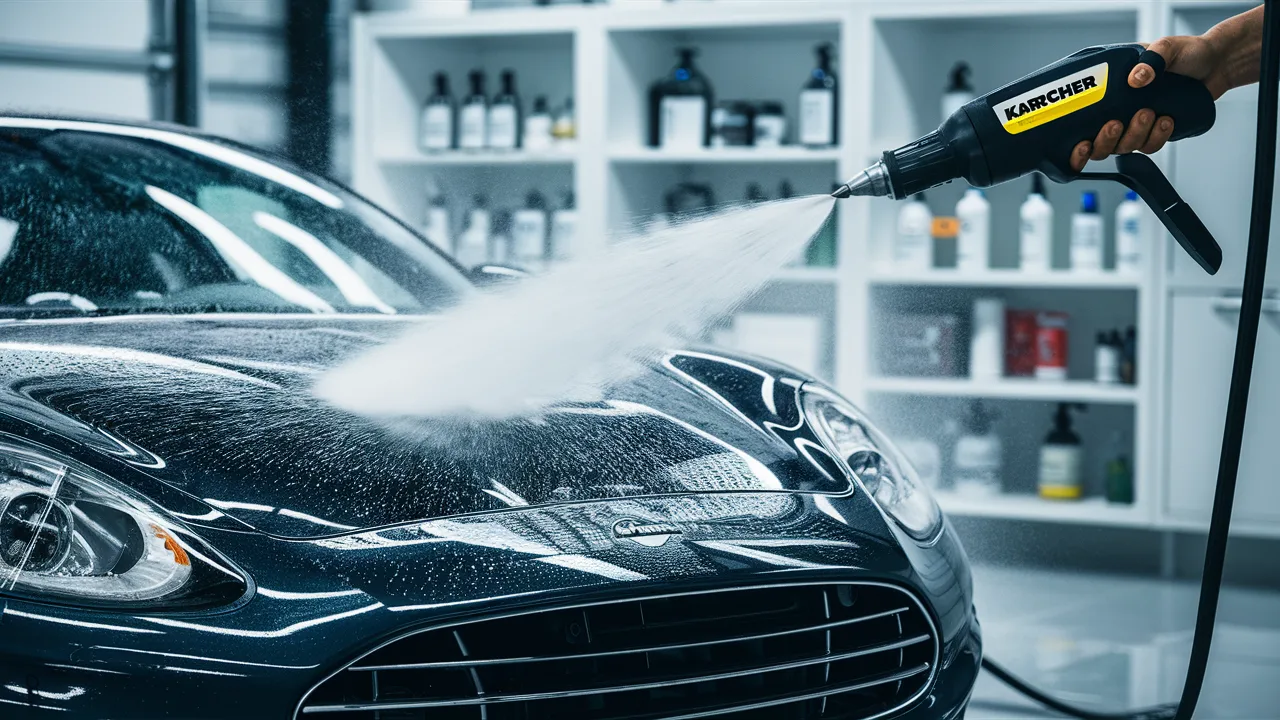
Using the Kärcher pressure washer:
- Spray the entire car from top to bottom
- Remove loose dirt, dust, and mud
- Focus on wheel arches and lower panels
Important tip:
Do not hold the pressure nozzle too close to the paint. Keep a safe distance of approximately 30–50 cm to avoid damaging sensitive surfaces.
The goal is to loosen debris before physically touching the paint.
🫧 Step 2 – Apply Snow Foam or Car Shampoo
Many Kärcher models support foam cannon attachments that apply thick snow foam across the vehicle.
Benefits of snow foam:
- Loosens dirt safely
- Reduces risk of scratches
- Softens contaminants before contact washing
Cover the car evenly with foam and allow it to sit for several minutes.
However:
- Do not let the foam dry completely
- Avoid prolonged exposure in hot weather
This pre-wash stage is extremely important for minimizing swirl marks and paint scratches.
🧽 Step 3 – Hand Wash the Vehicle
After pre-washing, perform a gentle contact wash.
Recommended method:
Use the “two-bucket method”:
- One bucket with clean shampoo water
- One bucket for rinsing the wash mitt
Washing tips:
- Start from the roof and move downward
- Clean wheels separately
- Use straight motions instead of circular rubbing
- Rinse the mitt frequently
The lower sections of the vehicle are usually the dirtiest and should be cleaned last.
🛞 Cleaning Wheels and Tires
Wheels often collect brake dust, road grime, and grease.
Wheel cleaning process:
- Spray wheels with dedicated wheel cleaner
- Use brushes for tight areas
- Rinse thoroughly with the pressure washer
Be careful with delicate alloy wheels and avoid overly aggressive chemicals.
The Kärcher pressure washer is especially effective for removing dirt from wheel arches and tire tread areas.
🚿 Step 4 – Final Rinse
Once the vehicle has been washed by hand:
- Rinse thoroughly using the pressure washer
- Remove all soap residue
- Pay attention to mirrors, trims, and panel gaps
Soap left on the surface can leave stains or damage protective coatings over time.
💨 Step 5 – Dry the Car Properly
Drying is an important step that many people overlook.
Best drying tools:
- Large microfiber drying towels
- Air blowers for tight spaces
- Soft detailing cloths
Avoid allowing the car to air dry naturally because this can cause water spots.
Drying tips:
- Pat dry instead of aggressive rubbing
- Dry windows separately for streak-free results
- Open doors carefully to remove trapped water
Proper drying helps preserve the finish and improve shine.
✨ Optional – Wax or Protective Coating
After washing, many car owners apply protective products.
Popular options:
- Spray wax
- Ceramic coating sprays
- Paint sealants
Benefits include:
- Enhanced shine
- Water repellency
- Easier future cleaning
- Protection from UV exposure and contaminants
A clean surface allows these products to bond more effectively.
⚠️ Common Mistakes to Avoid
Using a pressure washer incorrectly can damage a vehicle.
Avoid these mistakes:
- Spraying too close to paint or seals
- Using excessive pressure on sensitive surfaces
- Washing under direct sunlight
- Using harsh household detergents
- Scrubbing dirty paint aggressively
Modern automotive paint can be delicate, especially on newer vehicles with soft clear coats.
🔋 Water Efficiency and Environmental Benefits
Pressure washers are often more water-efficient than traditional hoses.
Advantages:
- Reduced water consumption
- Faster cleaning times
- Less wasted runoff
Many Kärcher models are designed for efficient residential use, making them environmentally friendlier than continuous hose washing.
🧠 Maintenance of the Kärcher Pressure Washer
To ensure long-term performance:
- Clean filters regularly
- Store hoses properly
- Drain water after use
- Protect the machine from freezing temperatures
Routine maintenance helps extend the lifespan of the equipment.
🚘 Why Regular Car Washing Matters
Regular washing is not only cosmetic—it also protects the vehicle.
Benefits of consistent washing:
- Prevents paint contamination
- Reduces corrosion risk
- Protects resale value
- Keeps windows and lights clear
- Improves overall appearance
Road salt, bird droppings, tree sap, and pollution can damage paint if left untreated.
🧾 Conclusion
Washing a car with a Kärcher pressure washer is one of the most efficient and effective ways to maintain a vehicle’s appearance and protect its paintwork. By using proper techniques, safe cleaning products, and careful washing methods, drivers can achieve professional-quality results at home.