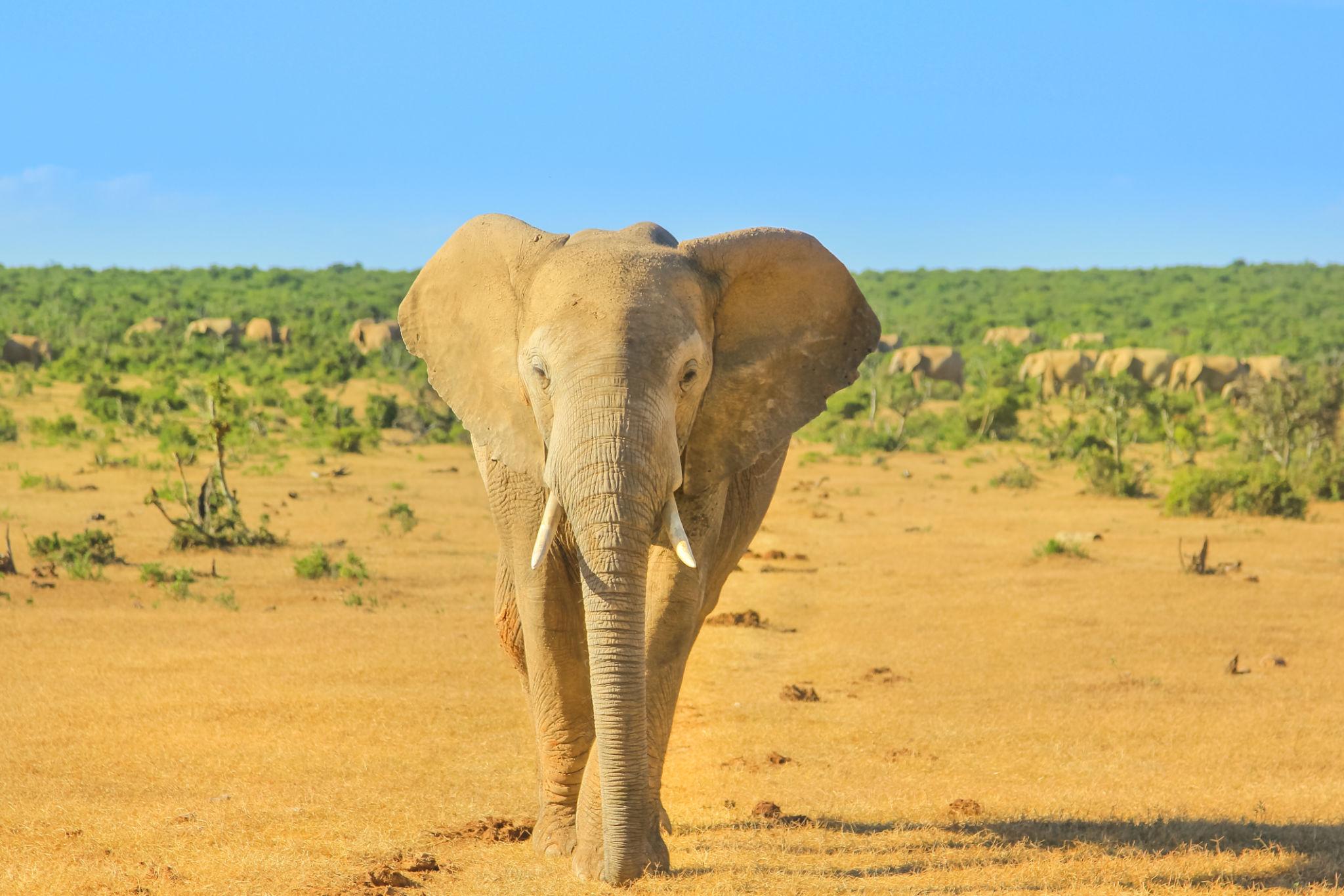
Elephants Explained: Habitat, Behavior, Intelligence, and Conservation
Elephants are among the most fascinating and intelligent creatures on Earth, widely recognized as the largest land animals in existence. Their presence in forests, savannahs, and grasslands plays a vital role in maintaining ecological balance. As members of the animal kingdom, elephants are not only known for their massive size but also for their emotional depth, complex social structures, and remarkable memory. These gentle giants have captured human imagination for centuries and continue to be studied extensively by scientists and wildlife researchers around the world.
Belonging to the species commonly referred to as Elephant, these animals are distributed mainly across Africa and Asia. Despite their size, elephants are highly social and intelligent beings capable of forming deep family bonds and demonstrating behaviors that suggest empathy, grief, and cooperation. Understanding elephants is not only important for wildlife enthusiasts but also for conservation efforts aimed at protecting their shrinking habitats.
This article provides a comprehensive guide to elephants, including their behavior, habitat, diet, intelligence, species differences, and the challenges they face in the wild.
What Is an Elephant?
An elephant is a large herbivorous mammal known for its long trunk, tusks, and thick skin. It belongs to the family Elephantidae and is the largest living land animal on Earth. There are two main species of elephants: African elephants and Asian elephants. Each species has distinct physical and behavioral characteristics, but both share similar traits such as strong social structures and high intelligence.
Elephants are easily recognizable due to their unique anatomy. Their trunk is one of the most versatile organs in the animal kingdom, used for breathing, drinking, grabbing objects, and communicating. Their tusks, which are actually elongated incisor teeth, are used for digging, lifting objects, and defense.
Elephant Habitat and Distribution
Elephants are found in a variety of habitats depending on their species. African elephants typically inhabit savannahs, grasslands, and forests across sub-Saharan Africa, while Asian elephants are primarily found in forested regions of South and Southeast Asia.
These habitats provide essential resources such as food, water, and space for movement. Elephants are migratory animals, often traveling long distances in search of food and water. Their movement patterns also help shape the environment by creating pathways, dispersing seeds, and modifying vegetation.
However, habitat loss due to human expansion is one of the biggest threats facing elephant populations today. Deforestation, agriculture, and urban development have significantly reduced their natural living spaces.
Elephant Diet and Feeding Behavior
Elephants are herbivores, meaning they consume only plant-based food. Their diet consists of grass, leaves, bark, fruits, and roots. An adult elephant can consume hundreds of kilograms of food in a single day, requiring them to spend a large portion of their time feeding.
Their feeding behavior plays an important ecological role. By consuming large quantities of vegetation and spreading seeds through their dung, elephants help maintain biodiversity in their ecosystems. They are often referred to as “ecosystem engineers” because of their ability to shape natural environments.
Water is also essential for elephants, and they can drink up to 100 liters or more per day depending on environmental conditions.
Elephant Intelligence and Communication
One of the most remarkable characteristics of elephants is their intelligence. Studies have shown that elephants possess excellent memory, problem-solving skills, and emotional awareness. They can recognize themselves in mirrors, which is a sign of self-awareness rarely seen in animals.
Elephants communicate using a combination of vocal sounds, body language, and infrasound (low-frequency sound waves that travel long distances). This allows them to stay in contact even when separated by several kilometers.
Their social behavior is equally impressive. Elephant herds are typically led by a matriarch, usually the oldest and most experienced female. The herd structure is highly cooperative, with strong bonds between family members. Elephants have been observed showing empathy, helping injured individuals, and even mourning their dead.
African Elephant vs Asian Elephant
There are key differences between African and Asian elephants. African elephants are generally larger and have bigger ears shaped somewhat like the African continent. They are typically found in open savannah environments.
Asian elephants are smaller, with smaller rounded ears and a more curved back. They are often found in dense forest environments and are more commonly domesticated in some regions for cultural and working purposes.
Both species share similar intelligence and social behavior, but their physical differences reflect their adaptation to different environments.
Elephant Conservation Status
Elephants face significant threats in the wild, primarily due to poaching, habitat destruction, and human-wildlife conflict. Their tusks have made them targets for illegal ivory trade, which has severely impacted population numbers in certain regions.
Conservation efforts are underway globally to protect elephants through wildlife reserves, anti-poaching laws, and international agreements. Organizations and governments are working together to ensure that elephant populations are preserved for future generations.
Despite these efforts, elephants remain vulnerable, and continued awareness and protection are essential for their survival.
Role of Elephants in the Ecosystem
Elephants play a crucial role in maintaining ecological balance. As they move through forests and grasslands, they create pathways that other animals use. Their feeding habits help control vegetation growth, while their seed dispersal supports forest regeneration.
Without elephants, many ecosystems would become unbalanced, leading to reduced biodiversity. This makes them a keystone species, meaning their presence is essential for the health of their environment.
Human Relationship with Elephants
Throughout history, elephants have played an important role in human culture. They have been used in transportation, religious ceremonies, and even warfare in ancient times. In modern society, elephants are admired for their intelligence and are often featured in wildlife documentaries, zoos, and conservation programs.
However, human interaction has not always been positive. Habitat destruction and exploitation have caused population declines, making conservation efforts more important than ever.
Conclusion
Elephants are extraordinary animals that represent intelligence, strength, and emotional depth in the natural world. As the largest land mammals on Earth, they play a vital role in maintaining ecological balance and supporting biodiversity. Their complex social structures, remarkable memory, and communication abilities make them one of the most fascinating species in the animal kingdom.
Protecting elephants is not just about saving a single species; it is about preserving entire ecosystems and maintaining the natural balance of our planet. Through conservation efforts, education, and responsible environmental practices, humans can help ensure that elephants continue to thrive for generations to come.
Frequently Asked Questions (FAQ)
What is an elephant?
An elephant is the largest land animal, known for its trunk, tusks, intelligence, and strong social behavior.
Where do elephants live?
Elephants live in Africa and Asia, mainly in forests, grasslands, and savannah regions.
What do elephants eat?
They are herbivores and eat grass, leaves, bark, fruits, and roots.
Are elephants intelligent?
Yes, elephants are highly intelligent and show memory, empathy, and problem-solving abilities.
Why are elephants endangered?
They are threatened by poaching, habitat loss, and human-wildlife conflict.
What is the difference between African and Asian elephants?
African elephants are larger with bigger ears, while Asian elephants are smaller with rounded ears and different body structure.