media wall: A Complete Guide to Modern Event Displays, Branding, and Visual Experiences
Visual experiences have become an important part of modern events, exhibitions, businesses, and personal celebrations. People no longer want simple decorations or basic backgrounds. They look for creative solutions that capture attention, improve branding, and create memorable moments. A media wall has become one of the most popular options for achieving these goals because it combines digital technology, visual design, and interactive presentation.
A well-designed display can transform an ordinary space into an engaging environment. Whether used at corporate events, product launches, weddings, conferences, or entertainment venues, digital walls help create stronger connections between brands and audiences. Understanding how these displays work, their benefits, and how to choose the right option can help businesses and event planners create impressive visual experiences.
What Is a Media Wall?
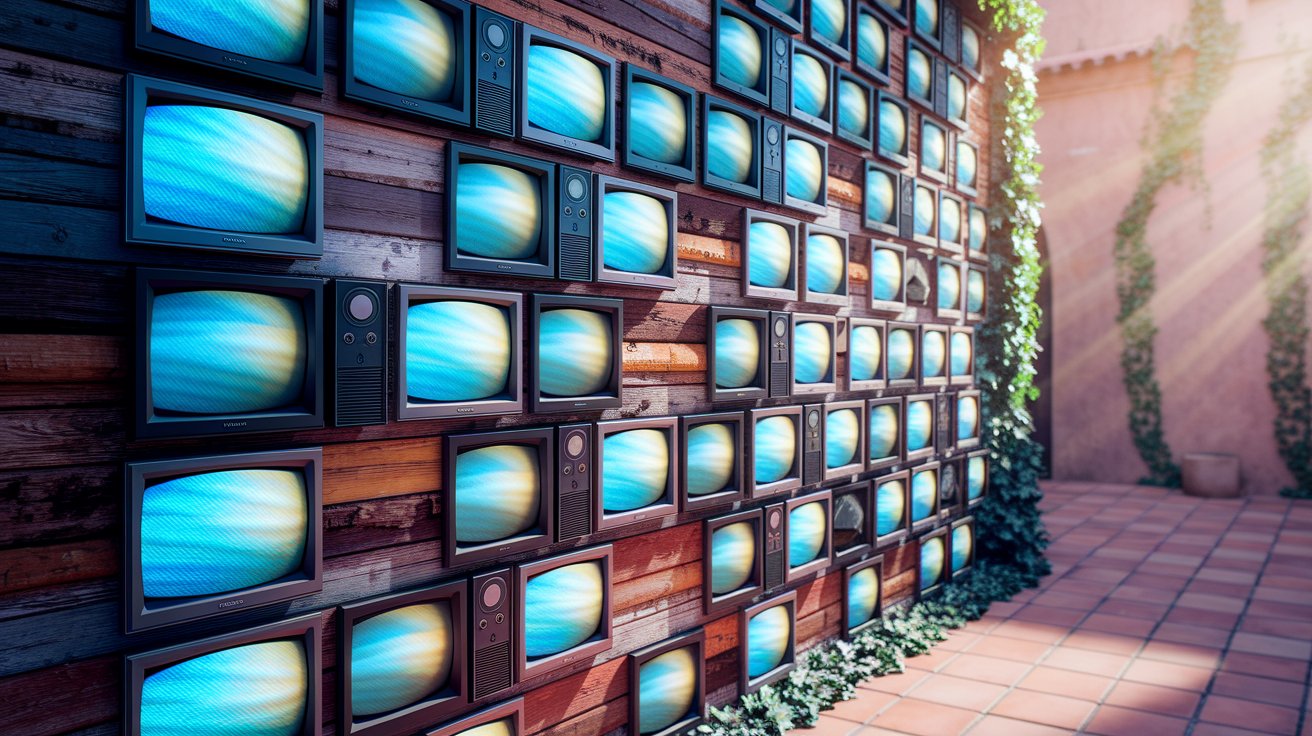
A media wall is a large visual display system that uses digital screens, LED panels, projection technology, or integrated displays to present images, videos, graphics, advertisements, and interactive content. Unlike traditional banners or printed backgrounds, these displays can change content instantly and provide a more dynamic experience.
Media walls are commonly used in places where visual impact matters. They allow organizations to showcase branding messages, event information, promotional content, or creative designs in a professional and engaging way.
The flexibility of a media wall makes it suitable for different industries, including entertainment, retail, hospitality, corporate events, and creative productions.
The Growing Importance of Digital Displays
Technology has changed the way people communicate visually. Traditional advertising methods still have value, but digital displays provide more opportunities for creativity and interaction.
Modern audiences are surrounded by digital content every day. Because of this, businesses and event organizers need stronger visual methods to attract attention.
Digital displays offer advantages such as:
- Moving graphics instead of static images
- Real-time content updates
- Better audience engagement
- Professional visual presentation
- Greater creative flexibility
These benefits explain why digital display solutions continue gaining popularity.
How Media Walls Transform Events
Events depend heavily on atmosphere and presentation. A well-planned visual setup can influence how guests experience a venue.
A digital display can enhance events by:
Creating Strong First Impressions
The entrance area is often the first place guests notice. A large digital background can immediately communicate professionalism and style.
Supporting Event Branding
Companies can display logos, campaign messages, product visuals, and promotional content throughout an event.
Improving Photography Opportunities
Many events include photo sessions. A visually attractive background encourages guests to capture and share moments.
Increasing Audience Engagement
Dynamic content keeps attention focused and creates a more interactive environment.
For these reasons, many organizers consider a media wall an important element of modern event planning.
Common Uses of Media Walls
Digital display walls are versatile and can be adapted for many purposes.
Corporate Events
Businesses often use digital walls during conferences, seminars, and award ceremonies. They help display company branding, speaker information, schedules, and presentations.
Product Launches
Brands use large displays to introduce new products with impressive visuals, videos, and promotional content.
Weddings and Celebrations
Personalized designs, photographs, animations, and messages can create unique experiences for guests.
Retail Environments
Stores use digital displays to highlight offers, product information, and seasonal campaigns.
Entertainment Venues
Concerts, festivals, and shows use digital screens to enhance performances and create immersive environments.
The wide range of applications makes digital displays valuable across different settings.
Key Features of Modern Media Walls
A quality digital display system includes several features that improve performance and usability.
High-Resolution Visual Quality
Clear images and sharp videos create a professional appearance. Resolution is especially important for large screens where small details become more noticeable.
Flexible Content Management
Modern systems allow users to update content easily. Businesses can change messages, advertisements, and visuals without replacing physical materials.
Custom Design Options
Digital displays can be customized according to brand colors, event themes, and creative requirements.
Interactive Capabilities
Some advanced systems include touch features, audience interaction, or integration with social media platforms.
These features allow organizations to create more engaging experiences.
Benefits of Using Digital Display Solutions
The popularity of digital walls comes from the many benefits they provide.
Better Brand Visibility
Businesses need strong visual communication to stand out. Digital displays help present branding messages in a noticeable way.
Cost Efficiency Over Time
Although initial investment may be higher than traditional displays, reusable digital systems can reduce long-term printing and replacement costs.
Easy Content Updates
Changing digital content is faster and easier compared to creating new physical banners.
Professional Appearance
A modern display creates a polished and high-quality impression.
Increased Engagement
Moving visuals and creative content often attract more attention than static backgrounds.
These advantages make digital displays a valuable choice for organizations seeking modern presentation methods.
Choosing the Right Media Wall for Your Needs
Selecting the right display depends on several factors. Different events and environments require different solutions.
Important considerations include:
Purpose
The first step is understanding why the display is needed. A corporate presentation may require different features compared to a wedding or entertainment event.
Location Size
The venue size affects screen dimensions, brightness requirements, and viewing distance.
Content Type
Consider whether the display will show videos, presentations, advertisements, or interactive content.
Budget
Costs vary depending on technology, size, customization, and installation requirements.
Technical Support
Reliable setup and maintenance are important for avoiding problems during important events.
Careful planning helps ensure the display delivers the desired impact.
The Role of Design in Digital Displays
Technology alone does not create an effective visual experience. Good design plays a major role in making content attractive and meaningful.
Effective design includes:
- Clear messaging
- Balanced visuals
- Appropriate colors
- Readable text
- Creative storytelling
A digital wall should support the overall purpose of an event or brand campaign rather than simply display random visuals.
Media Walls and Brand Storytelling
Modern marketing focuses heavily on storytelling. Customers connect more strongly with brands that communicate ideas, emotions, and experiences.
A digital display provides an opportunity to tell stories through:
- Videos
- Animations
- Customer messages
- Product demonstrations
- Brand history
This approach helps create deeper connections with audiences.
A thoughtfully planned media wall can become more than a background. It can become a communication tool that represents a brand’s personality and message.
Technical Considerations
Before installing a digital display, several technical factors should be considered.
Screen Brightness
The environment affects visibility. Outdoor spaces usually require brighter displays than indoor locations.
Viewing Distance
The distance between viewers and the screen influences the required resolution.
Installation Requirements
Proper setup ensures stability, safety, and reliable performance.
Content Compatibility
The system should support the formats needed for presentations and visuals.
Understanding these details helps avoid technical issues.
Future Trends in Digital Display Technology
Digital display technology continues evolving. Future developments are expected to create even more interactive and immersive experiences.
Emerging trends include:
Interactive Experiences
More displays may include touch features, motion sensors, and audience participation tools.
Artificial Intelligence Integration
AI technology may help personalize content based on audience behavior and preferences.
Augmented Reality Features
Combining digital displays with augmented reality could create unique experiences.
Improved Energy Efficiency
Future systems may focus on reducing energy consumption while maintaining strong performance.
These developments show that digital displays will continue playing an important role in communication and entertainment.
Common Mistakes to Avoid
Although digital displays offer many advantages, poor planning can reduce their effectiveness.
Common mistakes include:
Using Low-Quality Content
Poor visuals can damage the professional appearance of an event or brand.
Ignoring Venue Conditions
Lighting, space, and viewing angles should always be considered.
Overloading the Screen
Too much information can make content difficult to understand.
Lack of Testing
Testing equipment before an event helps prevent technical problems.
Avoiding these mistakes improves the overall experience.
Why Media Walls Are Valuable for Modern Experiences
Today’s audiences expect memorable experiences. They respond well to creativity, technology, and personalized communication.
Digital displays meet these expectations by offering:
- Visual impact
- Flexible content
- Professional presentation
- Better engagement
- Creative opportunities
From business events to personal celebrations, these systems continue changing how spaces are designed and experienced.
Conclusion
Digital technology has transformed the way people present ideas, promote brands, and create memorable events. A media wall provides a powerful combination of visual design, flexibility, and engagement that traditional displays cannot easily match.
Whether used for corporate branding, entertainment, retail, or personal celebrations, digital walls help create professional and immersive environments. Their ability to display changing content, support storytelling, and capture attention makes them an important tool in modern communication.
As technology continues advancing, digital displays will become even more creative, interactive, and accessible. Businesses and event organizers that understand their potential can use them to create stronger connections and more memorable experiences.