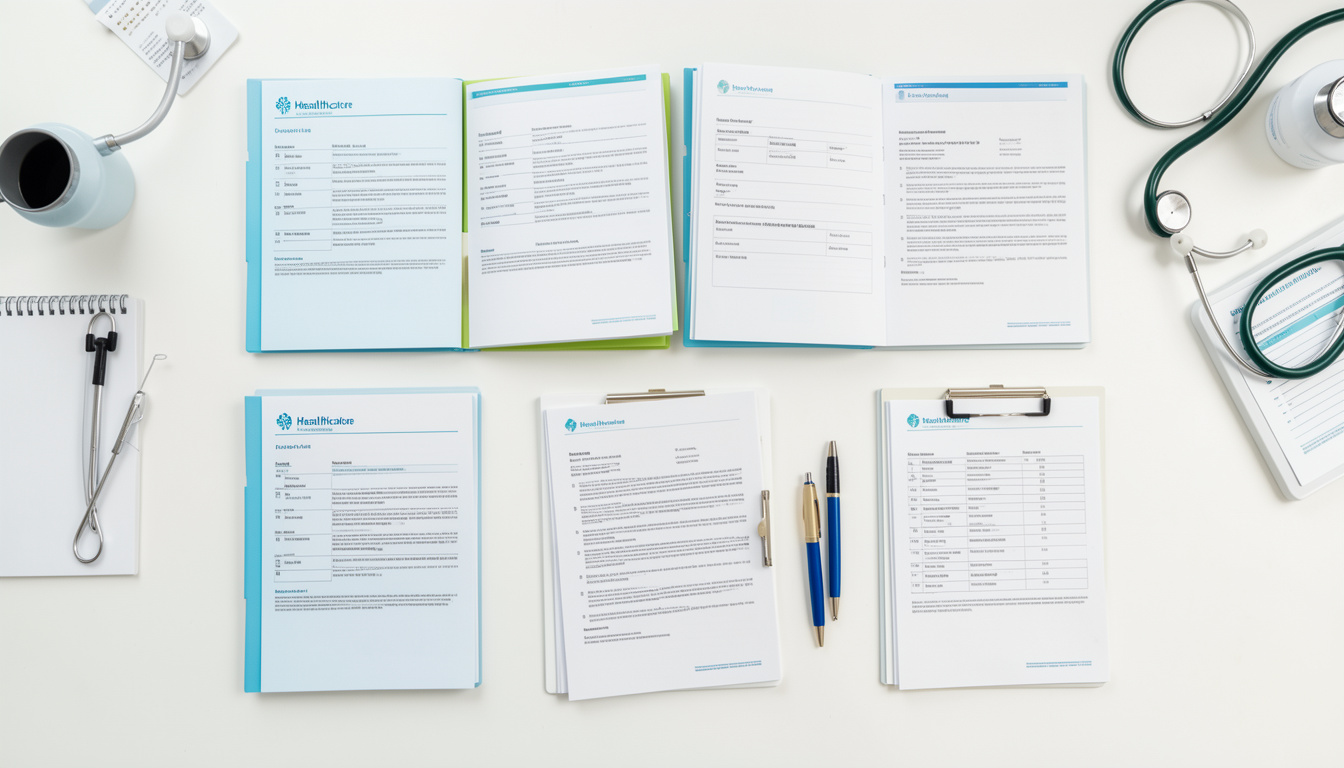
Care Docs: Complete Guide to Digital Healthcare Support and Services
Care Docs: A Complete Guide to Modern Healthcare Documentation and Support
Healthcare has changed significantly with the growth of digital technology. People now expect faster communication, easier access to medical information, and better ways to manage their health records. Care Docs has become an important concept in this changing environment because it focuses on improving healthcare documentation, organization, and patient support.
Whether you are a patient looking for better health record management, a healthcare professional managing documents, or an organization improving medical workflows, Care Docs provides solutions that make healthcare processes more organized and efficient. Proper documentation helps doctors understand patient history, supports better decision-making, and creates a smoother experience for everyone involved.
This guide explains what Care Docs means, how it works, its benefits, important features, and why digital healthcare documentation continues to become more valuable.
What Is Care Docs and Why Does It Matter?
Care Docs refers to healthcare documentation systems and services designed to organize, store, manage, and share important medical information. These documents may include patient records, treatment plans, medical histories, prescriptions, test results, and other healthcare-related information.
Traditional paper-based records often create challenges. Files can become difficult to manage, information may take longer to find, and storing large amounts of paperwork requires significant space. Digital documentation systems solve many of these problems by allowing healthcare information to be stored securely and accessed more easily.
Care Docs plays an important role because accurate documentation directly affects healthcare quality. When medical professionals have access to complete and organized information, they can provide better care. A well-maintained record helps reduce mistakes, improves communication between healthcare providers, and supports more personalized treatment.
For patients, Care Docs creates a more convenient healthcare experience. Instead of carrying physical files or repeating medical information during every appointment, patients can benefit from organized digital records that support continuity of care.
How Care Docs Improves Healthcare Management
Healthcare organizations handle large amounts of information every day. Managing this information correctly requires systems that are reliable, secure, and easy to use. Care Docs helps healthcare providers maintain accurate records while reducing administrative challenges.
One major advantage is improved organization. Medical professionals can quickly locate patient information, review previous treatments, and understand important health details. This saves time and allows healthcare teams to focus more on patient care rather than paperwork.
Care Docs also improves communication between different healthcare professionals. When patients visit multiple specialists, sharing accurate medical information becomes important. Digital documentation allows authorized professionals to access relevant details and provide coordinated support.
Another important benefit is accuracy. Manual record keeping can sometimes lead to missing information, unclear notes, or filing mistakes. Digital systems help create structured records that are easier to update and review.
Healthcare facilities can also improve productivity by automating certain documentation tasks. This reduces unnecessary administrative work and allows staff members to spend more time supporting patients.
Key Features of a Modern Care Docs System
A quality Care Docs system includes several features that improve the healthcare experience. These features are designed to make information management simpler while protecting sensitive medical details.
One important feature is electronic health record management. This allows healthcare providers to store patient information digitally instead of relying on physical documents. Medical history, reports, and treatment information can be organized in one accessible location.
Security is another major feature. Healthcare information is highly private, so Care Docs systems must include protection methods such as secure access controls and data protection practices. Only authorized users should be able to view or manage sensitive records.
Easy search functionality is also valuable. Healthcare professionals often need to find specific information quickly. A good system allows users to locate records without spending unnecessary time searching through files.
Another useful feature is document sharing. With proper permissions, healthcare providers can exchange relevant information, making collaboration easier. This supports better coordination between doctors, clinics, and other healthcare services.
Many modern Care Docs platforms also include appointment management, digital forms, and patient communication tools. These features create a more complete healthcare management experience.
Benefits of Using Care Docs for Patients and Healthcare Providers
Care Docs provides advantages for both patients and healthcare professionals. Its purpose is not only to store information but also to improve the overall healthcare journey.
For patients, one of the biggest benefits is convenience. Digital records reduce the need to manage physical documents and make important health information easier to access. Patients can experience smoother appointments because healthcare providers already have access to necessary details.
Better information availability can also improve patient safety. When doctors understand previous treatments, allergies, medications, and medical history, they can make more informed decisions.
Healthcare providers benefit from improved efficiency. Organized documentation reduces administrative pressure and allows professionals to spend more time with patients. Doctors and staff can review information faster and maintain better records.
Care Docs can also support better long-term healthcare management. Chronic conditions often require continuous monitoring and regular updates. Digital documentation helps track progress and maintain accurate records over time.
For healthcare organizations, these systems can improve workflow management and reduce operational difficulties. Better documentation practices create a more professional and reliable healthcare environment.
The Role of Technology in the Future of Care Docs
Technology continues to influence the way healthcare information is managed. As digital solutions become more advanced, Care Docs systems are expected to become even more helpful and intelligent.
Artificial intelligence, automation, and cloud-based solutions are changing healthcare documentation. These technologies can help organize information, reduce repetitive tasks, and improve the speed of accessing important records.
Cloud technology allows healthcare information to be stored securely while making access easier for approved users. This flexibility supports modern healthcare environments where professionals may work across different locations.
Mobile access is another growing trend. Many healthcare services are becoming available through smartphones and tablets. This allows patients and professionals to interact with medical information more conveniently.
The future of Care Docs will likely focus on creating connected healthcare systems. When different healthcare services can communicate effectively, patients receive more coordinated and efficient support.
Technology will continue improving documentation processes, but maintaining privacy and security will remain one of the most important priorities.
How Care Docs Supports Better Patient Experiences
A positive healthcare experience depends on more than medical treatment. Patients also value clear communication, easy access to information, and organized services. Care Docs supports these needs by improving how healthcare information is managed.
When records are accurate and available, patients do not need to repeatedly explain their medical history. This creates a smoother interaction between patients and healthcare professionals.
Clear documentation also helps patients understand their healthcare journey. Medical information, treatment plans, and follow-up details can be organized in a way that improves understanding.
Care Docs can also reduce delays. When healthcare teams can quickly access necessary information, appointments and decisions can move forward more efficiently.
Trust is another important factor. Patients feel more confident when healthcare providers use organized systems that protect their information and support quality care.
By improving communication and organization, Care Docs contributes to a healthcare experience that feels more connected and patient-focused.
Choosing the Right Care Docs Solution
Selecting the right Care Docs solution depends on the needs of the individual or healthcare organization. Different systems offer different features, so it is important to evaluate options carefully.
Security should always be a priority. A reliable system should protect sensitive healthcare information and provide appropriate access controls.
Ease of use is also important. Healthcare professionals already manage demanding responsibilities, so documentation systems should be simple, clear, and efficient.
Scalability matters for growing organizations. A good Care Docs platform should be able to support increasing amounts of information and changing healthcare needs.
Integration capabilities are another factor to consider. Systems that work well with other healthcare tools can create a more connected environment.
Customer support and regular updates are also valuable. Technology continues changing, and reliable support helps users maintain effective workflows.
Choosing the right system helps healthcare providers and patients receive the full benefits of digital documentation.
Frequently Asked Questions About Care Docs
What is Care Docs used for?
Care Docs is used to manage, organize, and store healthcare information such as patient records, medical histories, treatment details, and healthcare documents.
How does Care Docs help doctors?
Care Docs helps doctors access organized patient information quickly, improve communication, reduce paperwork, and make better healthcare decisions.
Is digital healthcare documentation secure?
Reliable Care Docs systems include security features designed to protect sensitive medical information and limit access to authorized users.
Can patients benefit from Care Docs?
Yes. Patients benefit from easier access to information, smoother appointments, improved communication, and better continuity of care.
Why is healthcare documentation important?
Accurate documentation helps healthcare providers understand patient needs, track treatments, prevent mistakes, and provide better support.
Will Care Docs become more important in the future?
Yes. As healthcare becomes more digital, documentation systems will continue playing an important role in improving medical services and patient experiences.
Care Docs represents an important step toward a more organized and connected healthcare system. By improving documentation, communication, and information management, it helps create better experiences for both patients and healthcare professionals. As technology continues to develop, digital healthcare documentation will remain a key part of modern medical services.