Medium Rare Steak Guide: How to Cook the Perfect Juicy Steak Every Time
Cooking a steak to medium rare perfection is considered an essential skill in the culinary world. Whether prepared at home or in a high-end restaurant, a medium rare steak is often praised for its ideal balance of tenderness, juiciness, and rich beef flavor. Many chefs and food enthusiasts agree that this level of doneness brings out the natural qualities of the meat without overcooking it, making it one of the most popular choices among steak lovers worldwide.
Understanding how to cook a perfect medium rare steak is not just about placing meat on heat; it involves mastering temperature control, timing, seasoning, and resting techniques. When done correctly, the result is a beautifully seared exterior with a warm, pink center that melts in your mouth. This guide will explore everything you need to know about medium rare steak, including temperature guidelines, cooking methods, expert tips, and common mistakes to avoid.
What Is a Medium Rare Steak?
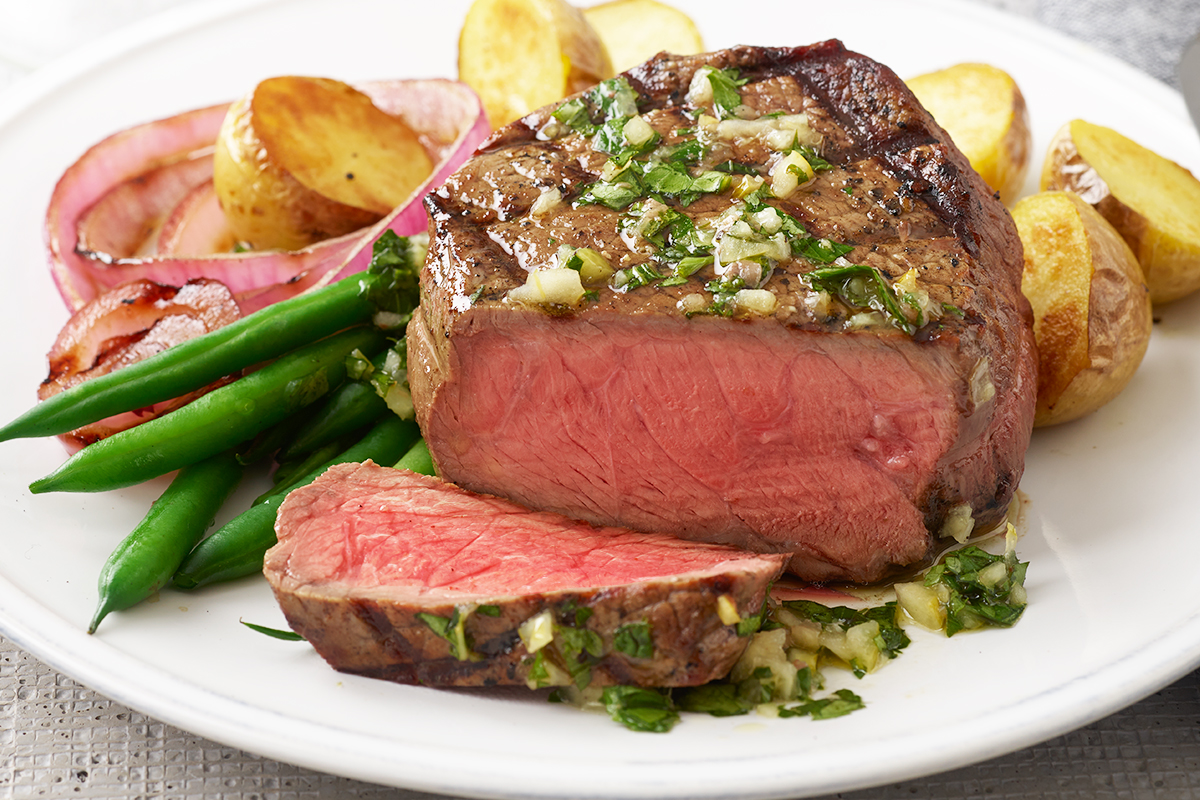
A medium rare steak refers to a specific level of doneness where the internal temperature of the meat reaches approximately 130–135°F (54–57°C). At this stage, the steak has a warm red or pink center, while the outer layer is seared and caramelized. This combination creates a perfect contrast in texture and flavor.
Unlike well-done steak, which can become dry and tough, medium rare steak retains natural juices and tenderness. The fat within the meat begins to melt without fully breaking down, enhancing flavor while maintaining softness. This is why many steak enthusiasts and professional chefs recommend medium rare as the ideal doneness for high-quality cuts such as ribeye, sirloin, or filet mignon.
Why Medium Rare Steak Is So Popular
The popularity of medium rare steak comes from its perfect balance of taste and texture. At this doneness level, the meat is neither too raw nor overly cooked, allowing the natural beef flavor to shine. The juices remain locked inside the steak, ensuring every bite is flavorful and moist.
Another reason for its popularity is the enhanced tenderness. When steak is cooked beyond medium rare, muscle fibers tighten and moisture is lost. Medium rare prevents this, resulting in a softer and more enjoyable eating experience. Additionally, the slight sear on the outside provides a rich, smoky crust that complements the juicy interior perfectly.
Choosing the Right Cut for Medium Rare Steak
Not all steak cuts perform equally when cooked medium rare. Some cuts naturally lend themselves better to this doneness level due to their marbling and tenderness.
Ribeye is one of the most popular choices because of its rich fat content, which melts beautifully during cooking. Sirloin is another excellent option, offering a balance of flavor and affordability. Filet mignon is known for its extreme tenderness and is often considered a premium choice for medium rare preparation. Strip steak also works well, providing a strong beef flavor with moderate marbling.
Choosing high-quality meat is essential because the better the cut, the better the final result. Freshness, marbling, and thickness all play important roles in achieving the perfect medium rare steak.
How to Cook the Perfect Medium Rare Steak
Cooking a medium rare steak requires attention to detail and proper technique. One of the most common methods is pan-searing, which allows for precise heat control and a flavorful crust. The process begins by bringing the steak to room temperature before cooking, ensuring even heat distribution.
The steak is then seasoned generously with salt and pepper to enhance its natural flavor. A hot pan is essential, as high heat creates the signature sear on the outside while preserving the pink interior. The steak is typically cooked for a few minutes on each side, depending on thickness, until the internal temperature reaches the desired range.
Using a meat thermometer is highly recommended for accuracy. Once the steak reaches 130–135°F, it should be removed from heat immediately to prevent overcooking.
The Importance of Resting Steak
Resting is one of the most overlooked yet crucial steps in cooking medium rare steak. After removing the steak from heat, it should rest for at least 5–10 minutes before slicing. During this time, the juices redistribute throughout the meat, ensuring a moist and flavorful bite.
Skipping this step can cause the juices to run out when cutting, resulting in a drier steak. Resting also allows the internal temperature to stabilize, completing the cooking process gently without additional hea
Common Mistakes When Cooking Medium Rare Steak
Many home cooks struggle to achieve the perfect medium rare steak due to a few common mistakes. One of the biggest errors is using low heat, which prevents proper searing and leads to uneven cooking. Another mistake is flipping the steak too often, which disrupts the formation of a crust.
Overcooking is also a frequent issue, often caused by guessing rather than measuring temperature accurately. Using a thermometer eliminates this problem and ensures consistent results. Additionally, cutting into the steak too early can cause juices to escape, reducing flavor and tenderness.
Best Cooking Methods for Medium Rare Steak
There are several effective ways to cook a medium rare steak, depending on preference and available equipment. Pan-searing is one of the most popular methods for home cooking due to its simplicity and control. Grilling is another excellent option, offering a smoky flavor that enhances the natural taste of the meat.
Sous vide cooking is a more advanced technique that ensures precise temperature control by cooking the steak in a water bath before finishing it in a hot pan. This method is highly reliable and produces consistent medium rare results every time.
Seasoning and Flavor Enhancement
A great medium rare steak does not require complex seasoning. In most cases, simple salt and freshly ground black pepper are enough to enhance the natural flavor of the beef. Some chefs also use garlic, butter, or fresh herbs like rosemary and thyme to add depth during the final stages of cooking.
The goal is to complement the steak’s natural taste rather than overpower it. Since medium rare steak already preserves the meat’s juiciness and richness, minimal seasoning often produces the best results.
Conclusion
Medium rare steak remains one of the most popular and highly recommended levels of doneness for beef lovers around the world. Its combination of juicy texture, rich flavor, and tender bite makes it a favorite in both home kitchens and professional restaurants. By understanding proper temperature control, cooking techniques, and resting methods, anyone can achieve restaurant-quality results at home.
Mastering the art of medium rare steak is about precision and patience. From selecting the right cut to ensuring accurate cooking temperature, every step plays an important role in the final outcome. With practice and attention to detail, you can consistently prepare a perfect medium rare steak that is flavorful, juicy, and satisfying.
Frequently Asked Questions (FAQ)
What temperature is medium rare steak?
Medium rare steak is typically cooked to an internal temperature of 130–135°F (54–57°C).
Is medium rare steak safe to eat?
Yes, when cooked properly using fresh, high-quality meat and correct temperature control, it is safe for most people.
What is the best cut for medium rare steak?
Ribeye, sirloin, filet mignon, and strip steak are among the best choices.
Why is my steak not juicy?
It may be overcooked or not rested properly after cooking.
Should I rest steak after cooking?
Yes, resting helps redistribute juices and improves flavor and tenderness.