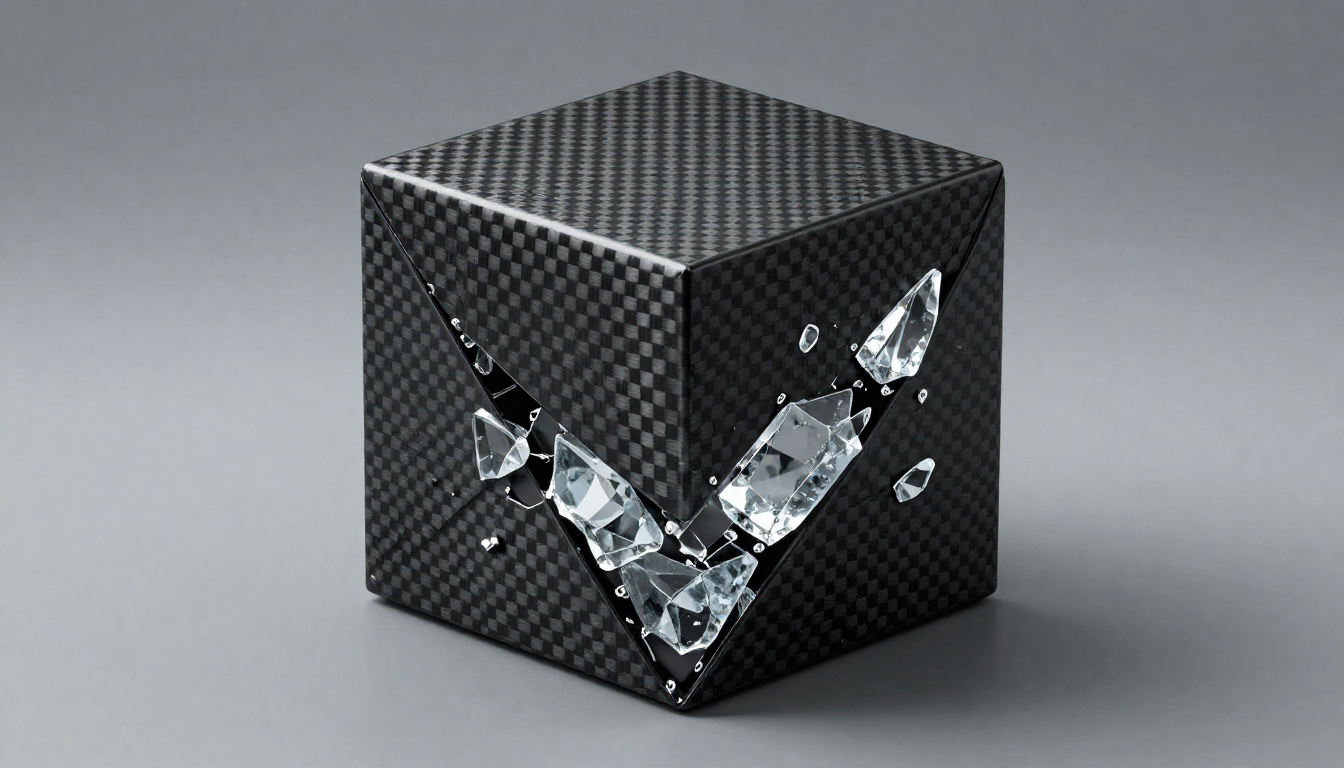
Carbonice Guide: Uses, Benefits, Features, and Facts
Carbonice: A Complete Guide to Its Meaning, Uses, and Advantages
Technology and innovation continue creating new materials, products, and solutions that improve everyday life. One term gaining attention in different online searches is Carbonice. While the name sounds connected to carbon and cooling, understanding what it represents requires exploring its possible applications, characteristics, and importance in modern industries.
Carbon-based materials have played a major role in science, manufacturing, energy, and technology for decades. Their unique properties, including strength, lightweight structure, and adaptability, make them valuable across many fields. When combined with advanced engineering concepts, carbon-related solutions continue opening new possibilities.
This guide explains Carbonice, its potential meaning, common uses, benefits, technology behind it, and why innovative carbon-based solutions are becoming increasingly important.
What Is Carbonice and Why Is It Gaining Attention?
Carbonice is a term that suggests a connection between carbon technology and cooling or advanced material solutions. Depending on the context, it may refer to a product name, brand concept, technology, or specialized material designed around carbon-based innovation.
The growing interest in Carbonice comes from the increasing demand for efficient, sustainable, and high-performance solutions. Modern industries are constantly searching for materials that offer improved performance while reducing environmental impact.
Carbon-based technologies are widely recognized because carbon has several valuable characteristics:
- High strength compared to weight
- Excellent thermal properties
- Versatile applications
- Strong chemical stability
- Potential for sustainable innovation
As industries continue developing smarter solutions, carbon-related technologies are becoming more important in areas such as engineering, electronics, manufacturing, and energy systems.
The Science Behind Carbon-Based Technologies
To understand Carbonice, it helps to understand why carbon is such a valuable element in modern technology.
Carbon is one of the most versatile elements found in nature. Its atoms can form different structures, creating materials with unique properties.
Some well-known carbon-based materials include:
Graphene
Graphene is an extremely thin carbon structure known for its strength, flexibility, and electrical conductivity. Researchers continue exploring its potential in electronics, batteries, and advanced materials.
Carbon Fiber
Carbon fiber is widely used in industries where lightweight strength is important. It appears in:
- Automotive components
- Aerospace equipment
- Sports products
- Industrial applications
Carbon Nanomaterials
Advanced carbon structures at the nanoscale level are being studied for applications involving energy storage, sensors, and medical technology.
The science behind these materials shows why carbon remains a key part of future innovation.
Main Applications and Uses of Carbonice Technology
The usefulness of Carbonice depends on its specific design and purpose. However, carbon-focused solutions are already transforming many industries.
Automotive Industry
Modern vehicle manufacturers use carbon-based materials to reduce weight while maintaining strength.
Benefits include:
- Better fuel efficiency
- Improved performance
- Increased durability
- Enhanced vehicle design possibilities
Lightweight materials help manufacturers create vehicles that deliver better efficiency without sacrificing safety.
Electronics and Technology
Carbon-based materials are becoming increasingly important in electronics. Their electrical and thermal properties make them suitable for advanced devices.
Possible applications include:
- Faster electronic components
- Improved heat management
- Flexible displays
- More efficient energy storage
Energy Storage
Energy industries are exploring carbon materials for better battery performance. Carbon structures can improve conductivity and support longer-lasting energy systems.
Industrial Manufacturing
Manufacturers use carbon-based solutions for products that require strength, reliability, and resistance to challenging conditions.
The flexibility of carbon technology allows it to support many different industries.
Benefits of Carbonice and Advanced Carbon Solutions
The popularity of Carbonice-related innovation comes from several important advantages.
Lightweight Performance
One of the biggest benefits of carbon-based materials is their ability to provide strength without excessive weight.
This makes them valuable in industries where reducing weight improves efficiency.
Durability and Strength
Carbon materials can withstand demanding environments. Their structural properties make them suitable for applications requiring long-term reliability.
Improved Efficiency
Many carbon-based technologies help reduce energy consumption by improving performance and reducing unnecessary material weight.
Modern Design Possibilities
Advanced carbon materials allow engineers and designers to create products that were previously difficult to manufacture.
Potential Sustainability Benefits
Some carbon technologies support efforts to create more efficient systems with reduced resource consumption.
While sustainability depends on how materials are produced and managed, innovation continues moving toward cleaner solutions.
How Carbonice Could Influence Future Innovation
The future of carbon-based technology continues expanding as researchers discover new applications.
Several areas may experience further development:
Renewable Energy
Carbon materials may contribute to improved solar technology, batteries, and energy storage systems.
Smart Devices
Future electronics may use carbon-based components to create smaller, faster, and more efficient devices.
Transportation
Electric vehicles, aircraft, and advanced transportation systems may benefit from lightweight carbon materials.
Construction
Strong and durable carbon materials could support future building technologies.
The continued development of carbon solutions shows how one element can influence multiple industries.
Important Factors to Consider About Carbonice
Although advanced materials offer many benefits, users and industries should consider several factors before adopting new technologies.
Production Methods
The manufacturing process affects cost, availability, and environmental impact.
Investment Requirements
Advanced carbon technologies often require significant research and development before becoming widely available.
Technical Limitations
Every material has limitations. Engineers must evaluate performance, safety, and practicality for specific applications.
Long-Term Research
Many carbon technologies are still developing. Future discoveries may improve performance and expand possible uses.
Understanding both advantages and challenges helps create realistic expectations about emerging technologies.
Why Carbon-Based Innovation Matters Today
The modern world faces challenges involving energy efficiency, environmental concerns, and resource management. Innovative materials can help industries develop better solutions.
Carbon-based technologies are important because they offer opportunities to improve:
- Product performance
- Energy efficiency
- Manufacturing processes
- Transportation systems
- Electronic devices
As companies and researchers continue investing in advanced materials, carbon remains one of the most promising areas of innovation.
The growing interest in concepts like Carbonice reflects a larger movement toward smarter materials and improved technology.
Conclusion: The Growing Potential of Carbonice Technology
Carbonice represents the increasing interest in carbon-based innovation and advanced solutions designed for modern challenges. While the exact meaning and application of the term may depend on its specific context, the broader importance of carbon technology is clear.
From transportation and electronics to energy and manufacturing, carbon-based materials continue changing how products are designed and produced. Their combination of strength, flexibility, and efficiency makes them valuable for future development.
As research continues, technologies connected to carbon will likely become even more influential. Understanding concepts like Carbonice helps people recognize how advanced materials are shaping the future and creating new opportunities across industries.