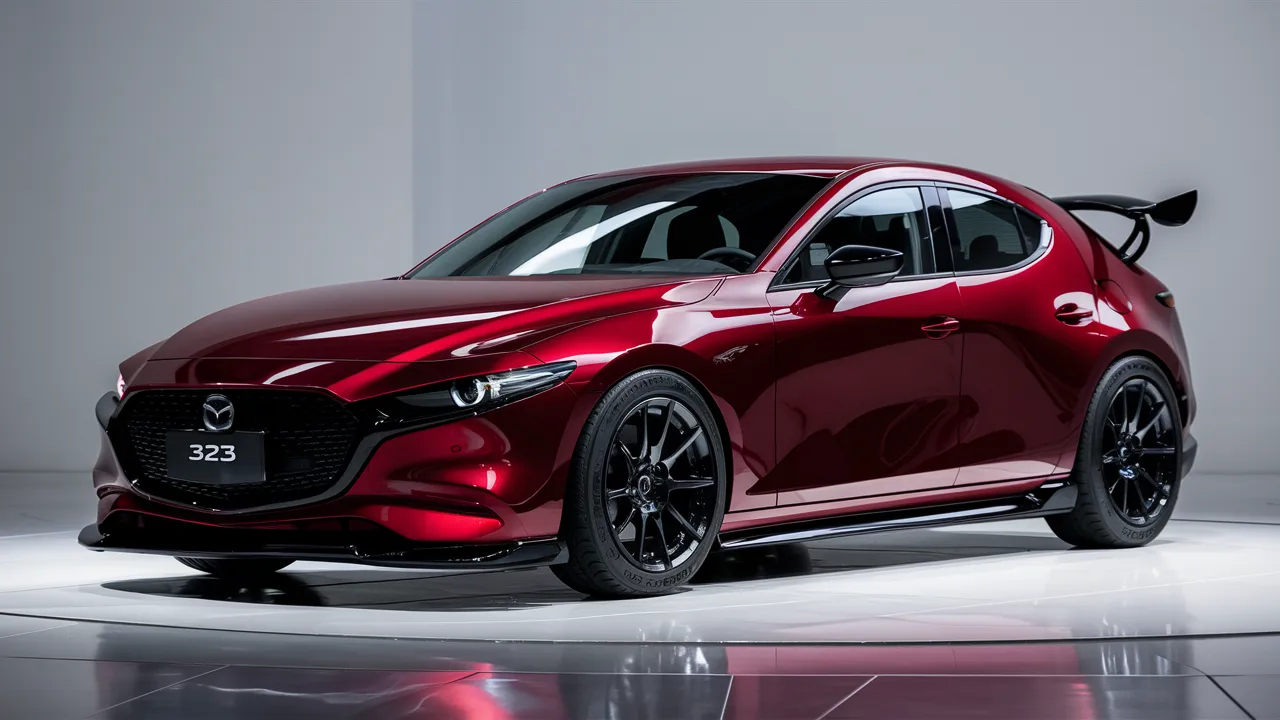
Mazda 323 – The Reliable Compact Car That Built Mazda’s Reputation
The Mazda 323 is one of the most important vehicles ever produced by Mazda. Known for reliability, practicality, affordability, and sporty character, the Mazda 323 became a highly successful compact car sold in markets around the world for several decades.
Introduced in the 1960s and evolving through multiple generations, the Mazda 323 helped establish Mazda as a serious global automotive manufacturer. The car appealed to a wide range of drivers because it offered dependable transportation while also delivering a more engaging driving experience than many competitors.
Even today, the Mazda 323 is remembered fondly by enthusiasts and everyday drivers alike for its durability and character.
🚗 Origins of the Mazda 323
The Mazda 323 first appeared in 1963 under different naming conventions depending on the market. Over time, it became one of Mazda’s best-selling compact vehicles.
The 323 was developed to compete in the growing small-car segment, where fuel efficiency, affordability, and reliability were becoming increasingly important.
Main goals of the Mazda 323:
- Affordable everyday transportation
- Strong fuel economy
- Reliable engineering
- Compact urban practicality
- Comfortable driving experience
As fuel prices and urbanization increased globally, compact cars like the 323 became highly desirable.
🌍 Global Popularity and Market Success
One of the biggest strengths of the Mazda 323 was its worldwide appeal.
The vehicle became popular in:
- Europe
- Asia
- Australia
- Africa
- North America
Different markets often received slightly different versions, body styles, and engine options.
The Mazda 323 earned a reputation for:
- Reliability
- Low maintenance costs
- Easy repairs
- Long-lasting engines
This reputation helped Mazda build customer loyalty across multiple generations.
🎨 Exterior Design Through the Generations
Over its long production history, the Mazda 323 evolved significantly in appearance.
Early generations:
- Simple boxy styling
- Compact dimensions
- Functional design
Later generations:
- More aerodynamic body shapes
- Sportier front-end styling
- Improved lighting and body lines
Mazda gradually introduced more modern styling elements while maintaining practicality.
Some later versions featured:
- Hatchback body styles
- Sedan versions
- Wagon variants
- Sport-oriented trims
This variety helped broaden the car’s market appeal.
⚙️ Engines and Performance
The Mazda 323 was offered with a wide range of engines depending on market and generation.
Common engine types:
- Small petrol engines
- Fuel-efficient diesel options
- Twin-cam sporty engines in performance trims
Performance characteristics:
- Reliable operation
- Good fuel efficiency
- Smooth daily driving performance
- Lightweight handling
While most versions focused on economy, certain sporty models added excitement to the lineup.
🏁 Mazda 323 GT-R – The Performance Legend
Among enthusiasts, one version stands above the rest: the Mazda 323 GT-R.
This performance-focused variant became famous for its rally-inspired engineering.
GT-R features included:
- Turbocharged engine
- All-wheel-drive system
- Aggressive body styling
- High-performance suspension setup
The 323 GT-R was developed partly for motorsport homologation purposes and competed in rally racing during the 1990s.
Performance highlights:
- Strong turbo acceleration
- Excellent traction
- Impressive cornering ability
Today, the 323 GT-R is considered a rare and desirable classic performance car.
🚙 Driving Experience – Practical Yet Fun
One of the reasons the Mazda 323 gained loyal fans was its enjoyable driving feel.
Driving characteristics:
- Lightweight and agile handling
- Responsive steering
- Comfortable ride quality
- Easy city maneuverability
Mazda has always emphasized driver engagement, even in affordable compact cars.
Compared to some rivals, the 323 often felt:
- More responsive
- More balanced in corners
- More enjoyable to drive
This sporty personality became a defining trait of Mazda vehicles.
🛋️ Interior and Cabin Comfort
The Mazda 323 prioritized practicality and simplicity inside the cabin.
Interior features included:
- Straightforward dashboard layouts
- Comfortable seating
- Good visibility
- Functional controls
Later models introduced:
- Improved materials
- Better sound insulation
- Air conditioning options
- Modern audio systems
While not luxurious, the cabin was designed for usability and reliability.
⛽ Fuel Economy and Affordability
Fuel efficiency was one of the strongest advantages of the Mazda 323.
Benefits included:
- Economical engine choices
- Lightweight construction
- Affordable maintenance
- Low ownership costs
This made the 323 especially attractive to:
- Families
- First-time drivers
- Students
- Daily commuters
Its affordability helped it compete successfully against other compact cars worldwide.
⚔️ Main Competitors
The Mazda 323 competed against many popular compact cars during its production years.
Main rivals included:
- Toyota Corolla
- Honda Civic
- Nissan Sunny
- Ford Escort
Compared to rivals, the Mazda 323 often stood out for:
- Better driving feel
- Sportier design in some generations
- Competitive pricing
- Strong reliability reputation
🛠️ Reliability and Longevity
One of the most respected qualities of the Mazda 323 is durability.
Many examples remained on the road for decades due to:
- Simple engineering
- Strong mechanical reliability
- Affordable replacement parts
- Easy maintenance
Owners often praise the car for surviving high mileage with proper care.
This reliability made it especially popular in developing markets where durability is highly valued.
🌍 Motorsport Influence
Mazda used motorsport experience to improve the sporty image of the 323.
The GT-R and GTX models participated in rally competitions and helped demonstrate Mazda’s engineering capabilities.
Motorsport-inspired features:
- Turbocharging
- AWD technology
- Improved suspension tuning
- Enhanced braking systems
These performance variants gave the 323 a more exciting reputation than many ordinary compact cars.
🔄 Transition to the Mazda3
Eventually, the Mazda 323 name was replaced by the Mazda3 in the early 2000s.
The Mazda3 continued many traditions established by the 323:
- Sporty handling
- Stylish design
- Practical everyday usability
The Mazda3 effectively became the spiritual successor to the legendary 323 lineup.
✔️ Pros and Cons
✔️ Advantages:
- Excellent reliability
- Affordable maintenance
- Good fuel economy
- Fun driving dynamics
- Wide availability of parts
❌ Disadvantages:
- Older models lack modern safety features
- Interior quality varies by generation
- Some versions prone to rust in certain climates
- Basic technology compared to newer vehicles
🧾 Conclusion
The Mazda 323 remains one of the most important vehicles in the history of Mazda. It successfully combined reliability, affordability, practicality, and enjoyable driving dynamics in a way that appealed to millions of drivers worldwide.