Wanker Wanker Wanker: Meaning, Origins, and Modern Usage Explained
Language is constantly evolving, and slang terms often become some of the most fascinating parts of everyday communication. Among the many expressions that have emerged over time, “Wanker Wanker Wanker” stands out as a phrase that sparks curiosity, amusement, and sometimes confusion. While the word itself has deep roots in British slang, its repeated use has transformed it into a memorable expression that can carry different meanings depending on context, tone, and audience.
The phrase “Wanker Wanker Wanker” is frequently encountered in online discussions, social media posts, entertainment content, and casual conversations. Some people use it humorously, while others use it as an exaggerated form of criticism or mockery. Understanding its history, cultural significance, and modern usage can provide valuable insight into how language develops and adapts across generations.
In this article, we will explore the meaning of “Wanker Wanker Wanker,” examine its origins, discuss how it is used today, and analyze its place within contemporary culture and communication.
What Does Wanker Wanker Wanker Mean?
The term “wanker” is a well-known piece of British slang that is often used as an insult. Traditionally, it refers to someone who is perceived as foolish, annoying, arrogant, or self-important. The exact meaning can vary depending on the situation, but it is generally intended as a negative or mocking description.
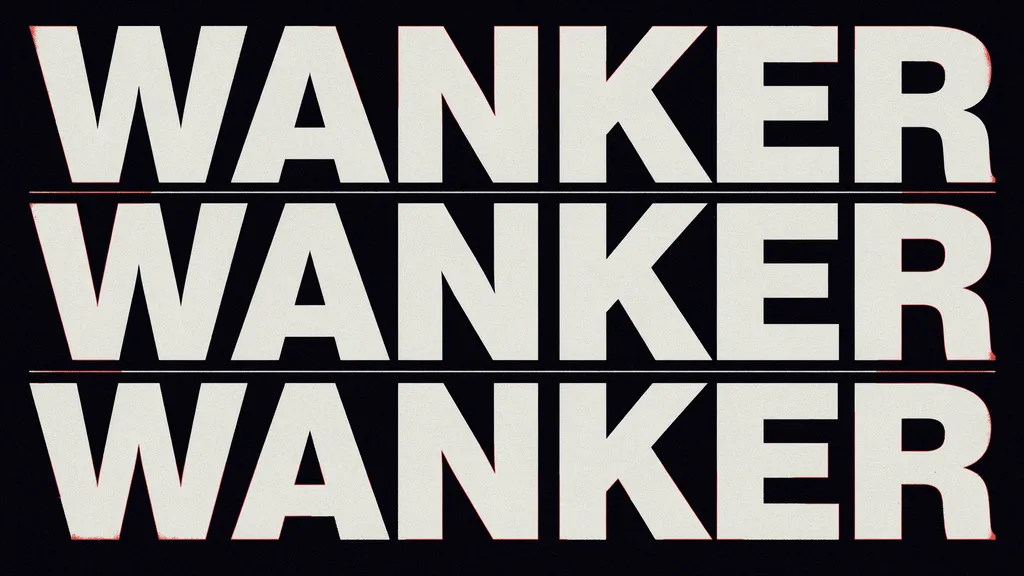
When the word is repeated three times as “Wanker Wanker Wanker,” the repetition creates emphasis. Instead of simply calling someone a wanker, the speaker intensifies the expression. This repetition can make the phrase appear more dramatic, humorous, or attention-grabbing.
In many cases, the phrase is not meant to be taken literally. Rather, it functions as a linguistic tool that amplifies emotion and highlights the speaker’s opinion. The repeated structure also makes it more memorable, which contributes to its popularity in online communication.
The Origins of the Word Wanker
To fully understand “Wanker Wanker Wanker,” it is important to look at the origins of the word “wanker.” The term originated in the United Kingdom and has been part of British slang for many decades. Historically, it developed as a derogatory term and gradually entered mainstream speech.
During the twentieth century, British slang became increasingly influential through television, films, music, and literature. As a result, words like “wanker” spread beyond their original communities and became recognized by audiences around the world.
Unlike many formal English words, slang expressions often gain meaning through social usage rather than dictionary definitions alone. The word “wanker” evolved because speakers found it useful for expressing criticism, frustration, or humor in a concise and memorable way.
Why Repetition Makes the Phrase More Powerful
Repeating a word multiple times is a common rhetorical technique in many languages. Repetition creates emphasis, reinforces a message, and increases emotional impact. In the case of “Wanker Wanker Wanker,” the triple repetition transforms a simple insult into a phrase that feels more dramatic and expressive.
This technique is frequently used in entertainment, advertising, politics, and everyday speech. Repetition helps capture attention and improves recall. When people encounter the phrase “Wanker Wanker Wanker,” they are more likely to remember it because the repeated pattern stands out from ordinary language.
The phrase also benefits from rhythm. The repetition creates a cadence that makes it sound more striking than a single use of the word. This rhythmic quality contributes to its popularity in online discussions and humorous contexts.
Wanker Wanker Wanker in Popular Culture
Popular culture plays a major role in spreading slang expressions. Television shows, comedy programs, movies, and internet content frequently introduce audiences to new words and phrases. British entertainment, in particular, has helped popularize the word “wanker” among international audiences.
Comedians often use exaggerated language for humorous effect, and phrases like “Wanker Wanker Wanker” fit naturally into that style. The repetition adds comedic value while emphasizing the intended message.
Social media platforms have further accelerated the spread of slang. Users regularly create memes, jokes, and viral posts featuring memorable expressions. Because “Wanker Wanker Wanker” is both repetitive and distinctive, it can easily attract attention in digital environments.
The phrase has become an example of how modern communication favors short, impactful language that can quickly convey emotion and personality.
How the Phrase Is Used Today
Modern usage of “Wanker Wanker Wanker” varies widely depending on context. Some people use it jokingly among friends, while others employ it as a stronger form of criticism. The phrase can appear in online comments, social media discussions, gaming communities, and informal conversations.
In humorous settings, the phrase may be intended to exaggerate a situation rather than genuinely insult someone. Friends may use it playfully to tease one another without causing offense. In more serious situations, however, it can function as a stronger expression of disapproval.
Context remains essential when interpreting the phrase. The same words can produce different reactions depending on tone, relationship, and setting. Understanding these factors helps explain why slang expressions often have flexible meanings.
The Role of Slang in Modern Communication
The popularity of “Wanker Wanker Wanker” highlights the broader importance of slang in communication. Slang allows speakers to express emotions, establish group identity, and create memorable interactions. It often evolves more quickly than formal language because it responds directly to cultural trends and social changes.
Younger generations frequently adopt and adapt slang terms as part of their communication style. Online communities contribute to this process by introducing new phrases and spreading them across geographic boundaries. What begins as a local expression can become a global phenomenon within a relatively short period.
The phrase “Wanker Wanker Wanker” demonstrates how repetition, humor, and cultural familiarity can transform a simple word into a widely recognized expression.
Why People Search for Wanker Wanker Wanker
There are several reasons why people search for this phrase online. Some are curious about its meaning, while others want to understand its cultural significance. Many encounter the expression in media content and seek clarification regarding its usage.
Search interest is also driven by the growing popularity of slang-focused content. Articles that explain informal language often attract readers because they help bridge cultural and linguistic gaps. As global audiences consume content from different countries, understanding local slang becomes increasingly valuable.
The phrase’s unusual structure further contributes to curiosity. Repeating the same word three times naturally encourages people to investigate its purpose and meaning.
Conclusion
“Wanker Wanker Wanker” is more than just a repeated slang expression. It represents the dynamic nature of language and the way words evolve through cultural usage, humor, and communication. Originating from British slang, the phrase has gained recognition through entertainment, social media, and everyday conversation.
Its popularity demonstrates the power of repetition in language and highlights the role of slang in expressing emotion, identity, and social connection. Whether encountered in a humorous context or as a form of criticism, the phrase continues to capture attention because of its memorable structure and cultural significance.
As language continues to evolve, expressions like “Wanker Wanker Wanker” serve as reminders that communication is not only about conveying information but also about creating impact, personality, and connection.
Frequently Asked Questions (FAQ)
What does Wanker Wanker Wanker mean?
It is a repeated form of the slang term “wanker,” used for emphasis, humor, or stronger criticism depending on context.
Is Wanker Wanker Wanker a British phrase?
The word “wanker” originated in British slang, and the repeated phrase is commonly associated with British-style informal language.
Why is the word repeated three times?
The repetition adds emphasis, increases memorability, and creates a stronger emotional or comedic effect.
Is Wanker Wanker Wanker commonly used online?
Yes. The phrase appears in social media posts, memes, online discussions, and entertainment content.
Can the phrase be used humorously?
Yes. Many people use it jokingly among friends or in comedic situations, though its interpretation depends on context and audience.
Why do people search for Wanker Wanker Wanker?
People often search for the phrase to understand its meaning, origins, cultural significance, and modern usage.